The Mountain: Why Your Team Completes Training in 48 Hours Instead of 3 Weeks
I want you to picture something.
A mountain. Not a dashboard. Not a spreadsheet. Not a ServiceNow list view with 47 columns and a filter that nobody configured correctly. A mountain.
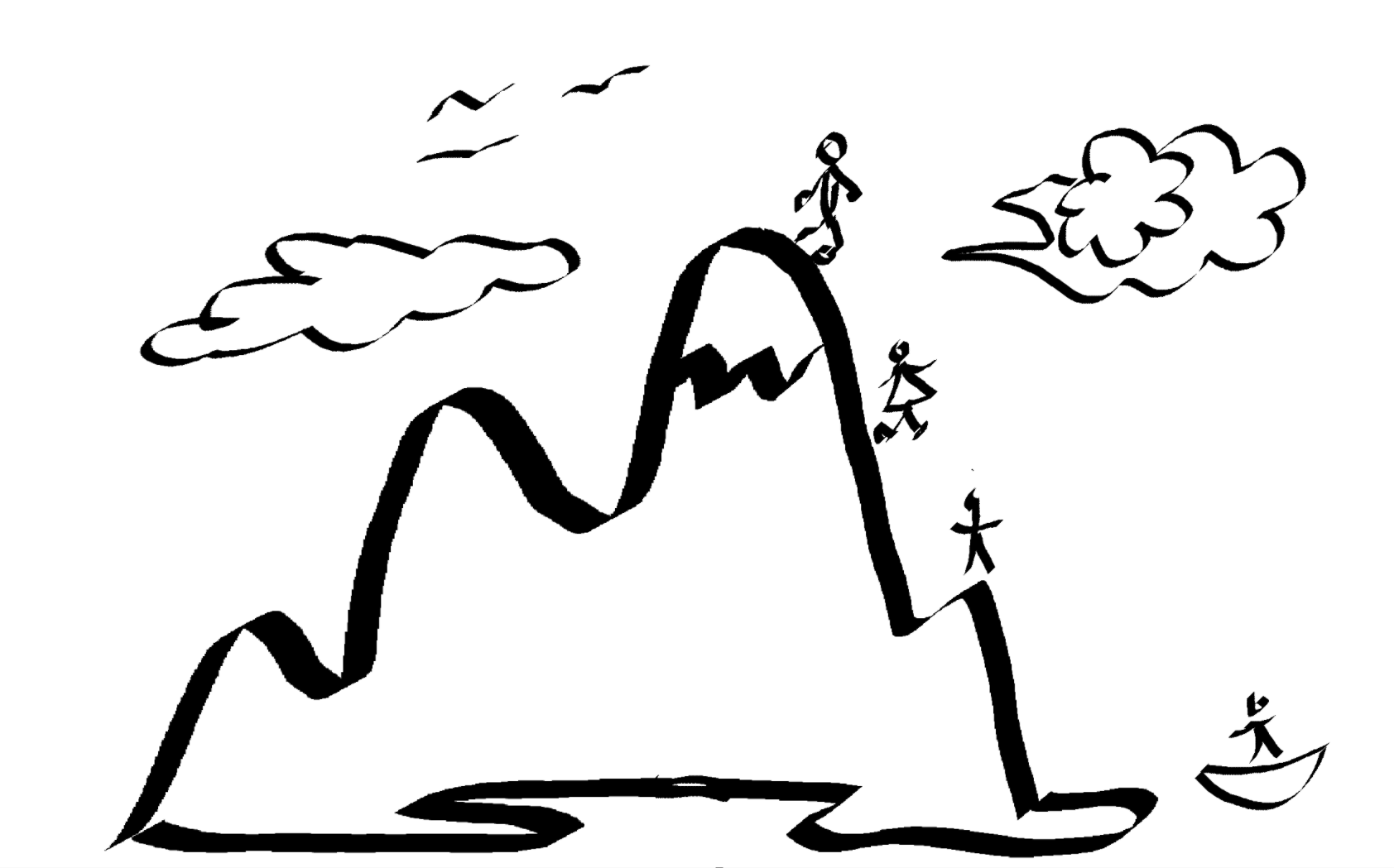
At the top stands a supervisor. Not because they are above their team in some hierarchical power fantasy — but because they have been climbing longer. They arrived first. They see further. Below them, at various elevations, are three employees. One has been climbing for two years. One for six months. One started last week. Their position on the mountain IS their journey — visible, intuitive, honest.
This is the interface. This is the entire interface.
The Hunger
The supervisor receives a notification. Not an email. Not a ticket. Not a banner that says ACTION REQUIRED in red capital letters that they have been ignoring for three weeks because every banner says ACTION REQUIRED.
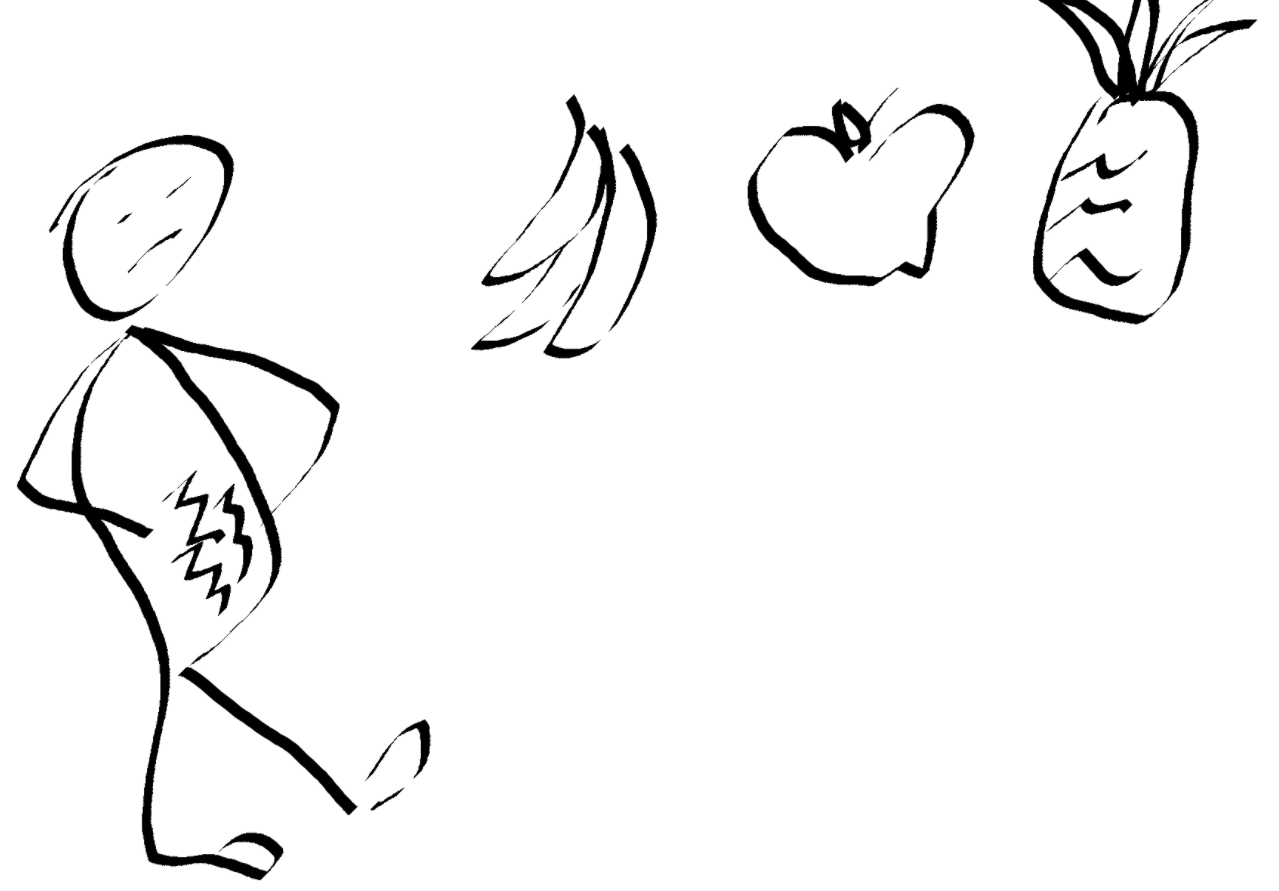
Their avatar is hungry.
The supervisor looks at the mountain. Three food icons sit beside their avatar. Each one represents a mandatory training module that needs to be assigned to their team. They press the first food icon. Their avatar takes a bite. On the mountain below them, one of their employees receives a notification: you are hungry.
The supervisor presses the second icon. Another bite. Another employee, notified. The third icon. The avatar is full. All three assignments are dispatched. The entire interaction took nine seconds. No forms. No dropdown menus. No “select employee from list, select training module from catalog, set due date, add justification, click submit, confirm submission.” Nine seconds. Three taps. A full avatar.
The Climb
Now shift perspective. You are the employee. Six months on the mountain. You are halfway up. You can see the summit. You can see your supervisor above you. You can see the new hire below you who started last week.
You receive a notification. You are hungry.
You know what this means. Not because someone explained the training policy. Not because you read the employee handbook. You know because hunger is universal. Every organism on Earth understands hunger. The system spoke to you in the language of biology, not bureaucracy.
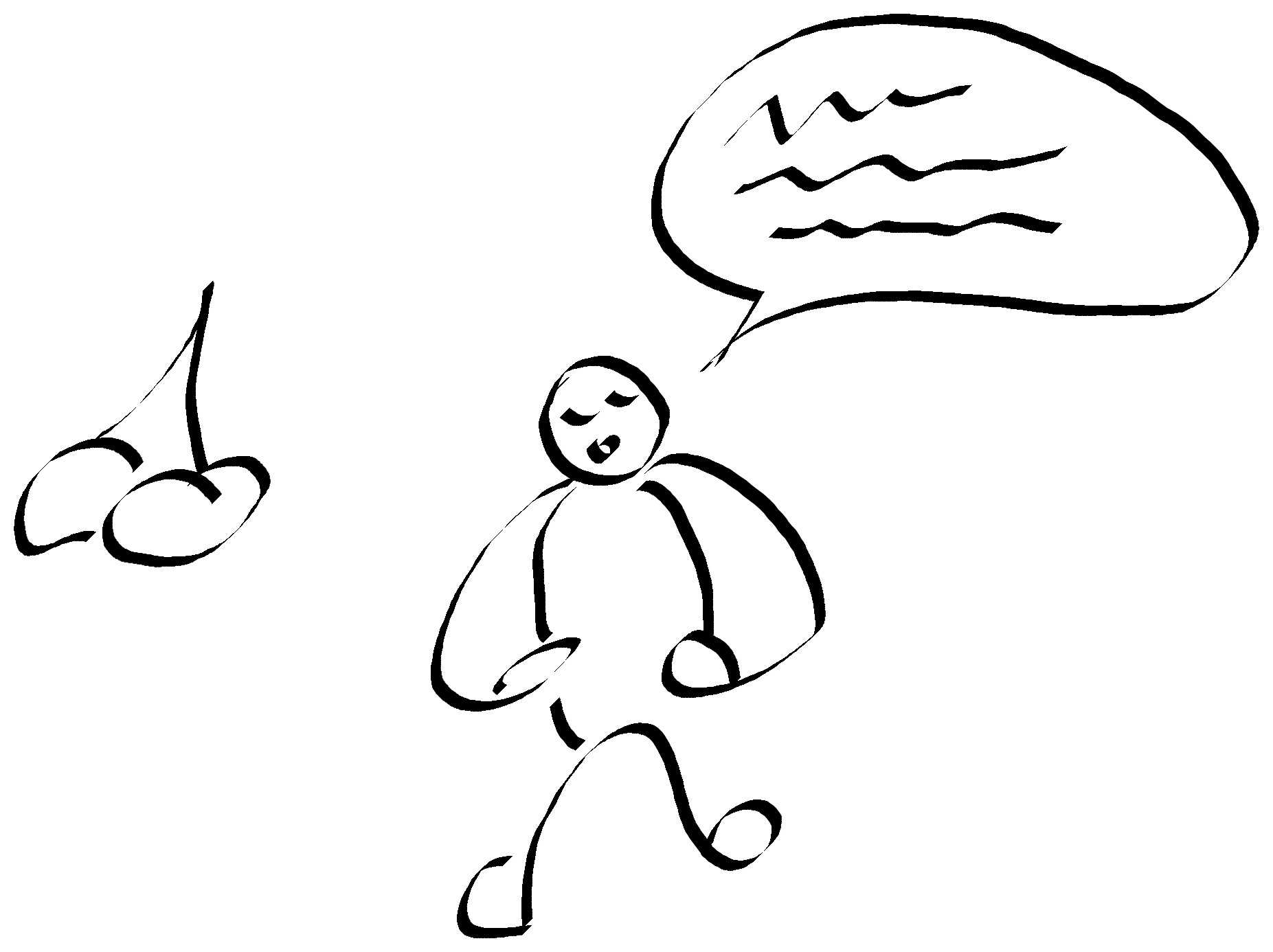
You open the training. You complete it. Your avatar eats. The hunger disappears. And you move up the mountain — visibly, satisfyingly, permanently. Your position has changed. Your growth is real and rendered. The new hire below you can see that you climbed. Your supervisor above you can see that you ate.
The Mirror
Here is what the Service Desk sees: a data table. Completion rates. Compliance percentages. Time-to-complete metrics. Assignment timestamps. Audit trails. Everything the enterprise needs to prove to regulators that training happened, to managers that teams are developing, to executives that money was well spent.
The same action — a supervisor tapping a food icon — simultaneously:
- Assigns training in the LMS
- Creates an ITSM task for tracking
- Triggers a notification to the employee
- Updates the compliance dashboard
- Logs an audit record
- Moves an avatar on a mountain
Three organisms. Three views. One system.
The supervisor sees a mountain with hungry avatars. The employee sees a climb with a clear summit. The Service Desk sees rows in a database. Each organism sees what their nature requires them to see. The mountain is not hiding the complexity. It is translating it.
Why Every Other Gamification Attempt Failed
I have seen enterprise gamification. Points for closing tickets. Badges for completing modules. Leaderboards for response times. They all fail for the same reason: they gamify the interface but not the meaning.
Adding a badge to a training module does not change the fact that the training module is boring. The user still sees “Complete Annual Compliance Training (HR-2026-004).” The badge is decoration on a corpse.
The mountain does not decorate the task. It replaces the task’s identity. “Assign training” becomes “feed your team.” “Complete training” becomes “stop being hungry.” “Track progress” becomes “watch the climb.” The administrative language disappears entirely. What remains is biological. Hunger. Growth. Elevation. These are not metaphors the user needs to learn. These are experiences every human already understands.
The Deeper Architecture
This is not a game. It is a translation layer.
Behind the mountain sits the same enterprise infrastructure that every ServiceNow instance runs: task tables, assignment rules, SLA timers, approval workflows, audit logs. Nothing changes in the backend. The processes are identical. The data model is identical. What changes is the surface — the layer between the system and the organism.
This is Pillar One of the Framework: Linguistic Architecture. The language of enterprise administration — assign, complete, escalate, resolve — is a high-level language that many users do not compile efficiently. The mountain translates it into a lower-level language that every human runs natively: hunger, climbing, feeding, growing.
This is Pillar Two: Global Operating System. A mountain is culturally universal. A leaderboard is not. “First place” carries different emotional weight in the United States versus Malaysia versus Mexico. But a summit is a summit everywhere. Hunger is hunger everywhere. The metaphor deploys globally without localization.
This is Pillar Three: The Modern Service Model. The traditional model measures how fast you resolve incidents. The mountain measures whether incidents happen at all. If every employee completes their training because their avatar was hungry — if compliance hits 98% in 48 hours instead of 62% in 3 weeks — then the incidents that training was supposed to prevent never occur. The mountain does not improve the Service Desk. It makes the Service Desk unnecessary.
The Question
Every enterprise platform assumes its users are administrators. ServiceNow assumes you know what a catalog item is. Workday assumes you understand approval chains. SAP assumes you can navigate a transaction code. They build for the power user and then wonder why adoption plateaus at 40%.
What if the platform assumed nothing? What if it assumed only that the user is a living organism with biological needs — hunger, growth, rest, connection — and translated every administrative function into that language?
That is the mountain. That is the Framework. And that is what the current model is not seeing.